

In this guide
Part of our Smart home guides — why the ecosystem decision comes before the device.
As an Amazon Associate I earn from qualifying purchases.
You do not need to spend $400 to get a robot vacuum that actually works. The best robot vacuum under $200 will quietly handle daily dust and debris, pick up pet hair, and dock itself to recharge — no supervision required. The problem is that the sub-$200 market is crowded with models that look identical in product photos but clean very differently on real floors.
This guide covers four of the strongest picks available in 2026: a whisper-quiet suction-only workhorse, a Wi-Fi-connected name-brand model with Alexa support, a vacuum-and-mop combo that actively scrubs hard floors, and a smart-mapping robot that navigates like something twice its price. Every model on this list earns at least 4.1 stars on Amazon from thousands of verified buyers.
Quick Picks: Best Robot Vacuums Under $200 at a Glance
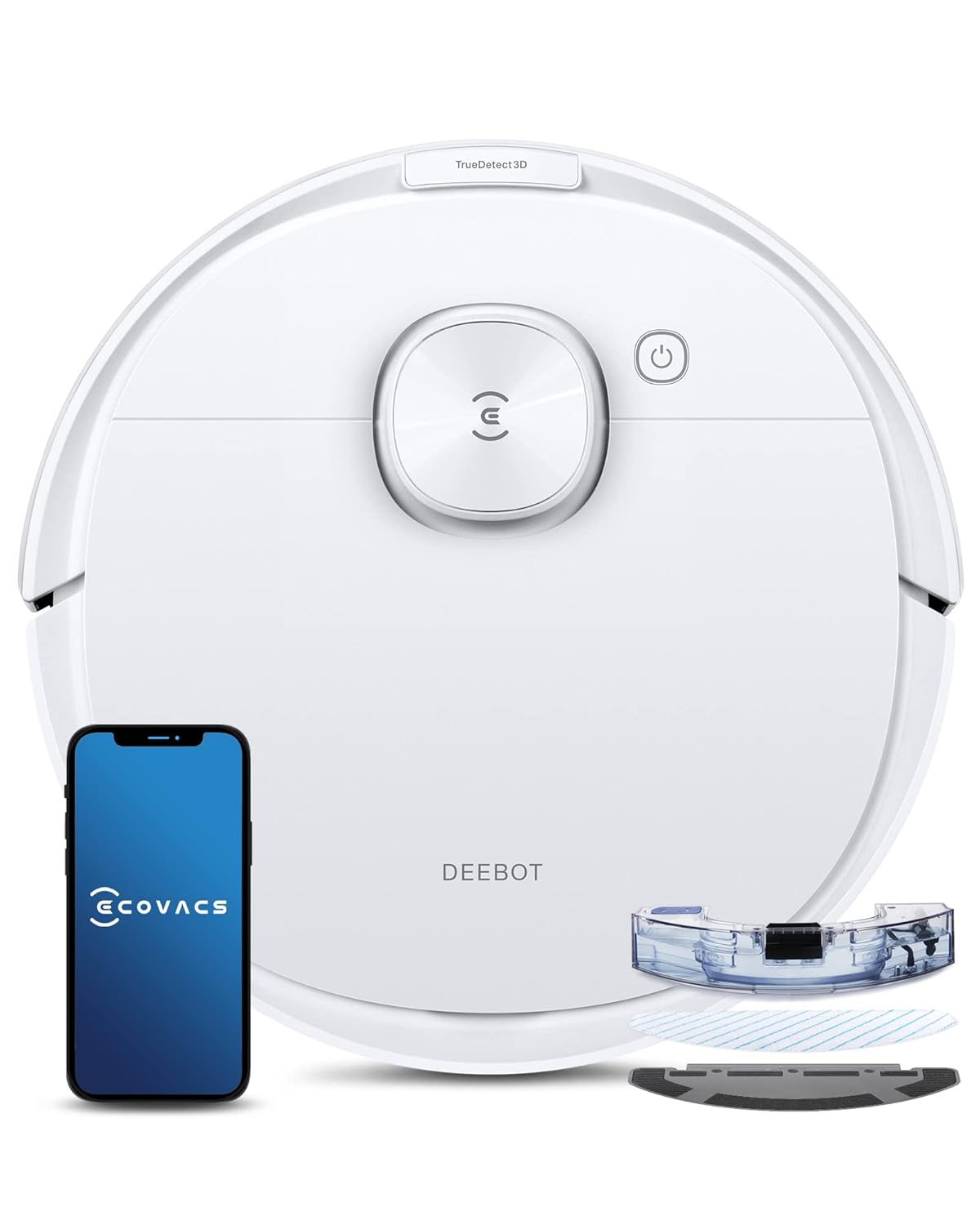
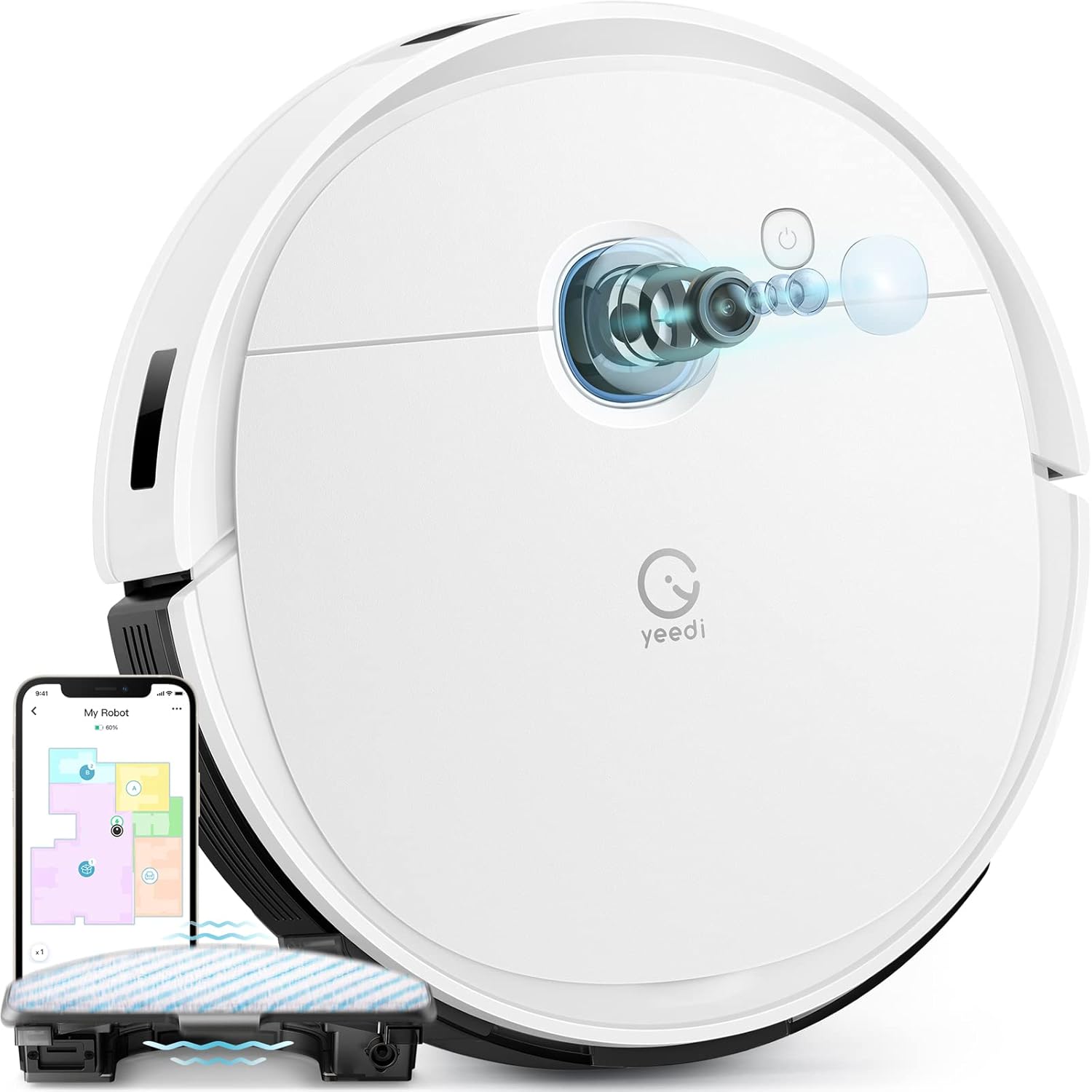
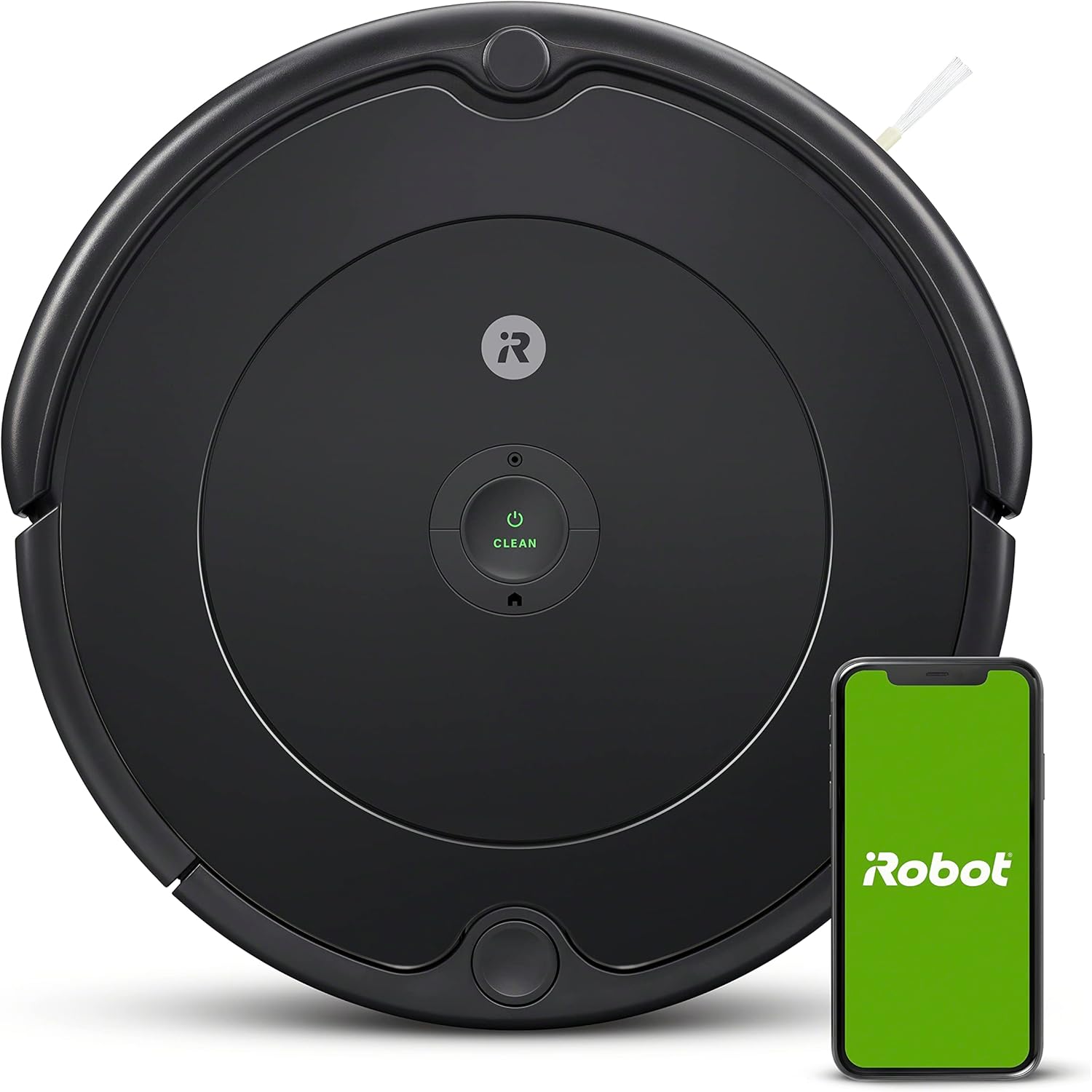
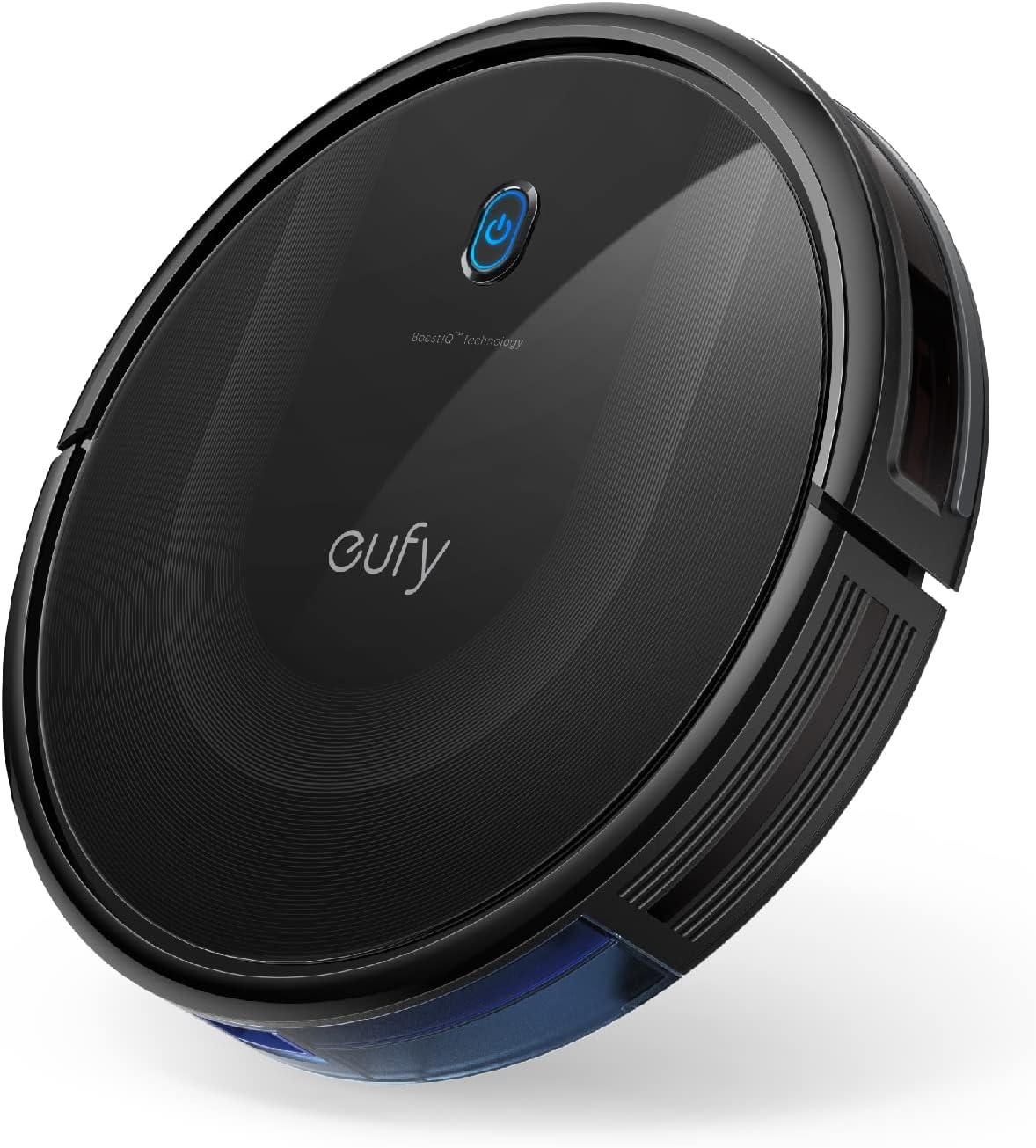
| Product | Best For | Est. Price | Rating |
|---|---|---|---|
| Eufy RoboVac 11S MAX | Quiet, simple daily cleaning | Check price | 4.3/5 |
| iRobot Roomba 694 | Smart home & voice control | Check price | 4.2/5 |
| Yeedi Vac 2 Pro | Vacuum + mop combo | Check price | 4.1/5 |
| Ecovacs Deebot N8 Pro | Smart LiDAR navigation | Check price | 4.2/5 |
Prices fluctuate — always check Amazon for the current price before buying.
What to Look For in a Budget Robot Vacuum
Most robot vacuums look identical in photos. Here are the six specs that actually separate good picks from disappointing ones in this price range.
- Suction Power (Pa): Budget models range from 1,300 Pa to 3,000 Pa. For mostly bare floors and thin rugs, 1,500 Pa gets the job done. If you have pets or medium-pile carpet anywhere in your home, you want 2,000 Pa or higher. The Yeedi Vac 2 Pro tops this list at 3,000 Pa — strong enough to pull embedded pet hair from low-pile carpet in a single pass.
- Navigation Type: Most budget vacuums use “bounce” navigation — they move in one direction, hit an obstacle, and redirect at a random angle. It works, but it leaves uncleaned patches and re-covers the same spots. Systematic LiDAR navigation (like the Deebot N8 Pro) maps your rooms and cleans in straight rows, covering more floor per charge with fewer misses.
- Runtime: Target at least 90 minutes. Most one- and two-bedroom apartments are covered in a single charge at that runtime. Homes over 1,500 sq ft benefit from the Deebot N8 Pro’s 110-minute battery, which auto-resumes if it needs to recharge mid-clean.
- Floor Types: All four picks handle hardwood, tile, laminate, and low-pile carpet. Thick plush or shag carpet requires 2,000 Pa minimum suction and a brush roll designed to avoid tangling. None of these four models are rated for high-pile carpet.
- App and Voice Control: The Eufy 11S MAX skips Wi-Fi and runs entirely from an included remote. The Roomba 694, Yeedi Vac 2 Pro, and Deebot N8 Pro all connect to smartphone apps for scheduling, zone cleaning, and cleaning history. The Roomba and Deebot also support Alexa and Google Home voice commands.
- Mopping: The Yeedi Vac 2 Pro uses an oscillating mop that actively scrubs — not just drags a wet cloth. The Deebot N8 Pro includes a passive mop attachment. If your home is mostly hard floor, a combo unit eliminates a separate mopping step entirely.
Best Robot Vacuum Under $200: Full Reviews
1. Eufy RoboVac 11S MAX — Best for Quiet, Hassle-Free Cleaning
- Best for Quiet, Hassle-Free Cleaning
- 4.3/5
At 2.85 inches tall, the Eufy RoboVac 11S MAX slides under sofas, bed frames, and furniture that stops most other robots cold. That slim profile, combined with 55-decibel operation, makes it the quietest and least obtrusive pick on this list. BoostIQ technology automatically increases suction from standard mode to MAX within 1.5 seconds when sensors detect carpet — you never need to adjust anything manually.
Setup takes under five minutes: place the dock against a wall, plug it in, and press the button. There is no app to configure, no Wi-Fi to troubleshoot, and no firmware update required before first use. The included remote handles scheduling, spot cleaning, and single-room cleaning modes.
Specs at a glance:
- Suction: 2,000 Pa (BoostIQ auto-boost on carpet)
- Runtime: ~100 minutes
- Dustbin: 0.6L (largest on this list)
- Height: 2.85 inches
- Navigation: Bounce (random path)
- Wi-Fi / app: No — remote control only
Who it is for: Apartment dwellers with hard floors and light-to-medium carpet who want a simple, quiet machine that just runs without any setup complexity.
Pros: ultra-slim design clears furniture others miss; quietest model on this list at 55 dB; no app means no account creation or Wi-Fi setup; 0.6L dustbin empties less often than smaller rivals; strong value at this price.
Cons: bounce navigation misses patches and repeats areas; no smartphone control or scheduling without the remote; brush roll tangles with long hair after a few uses — plan on weekly cleaning with scissors; will get stuck on thick rugs or loose cables left on the floor.
Our verdict: The 11S MAX is the best “plug in and ignore it” robot vacuum under $200. It is not smart, but it is thorough enough for daily maintenance and quiet enough to run whenever — even during a phone call.
2. iRobot Roomba 694 — Best for Smart Home Integration
- Best for Smart Home Integration
- Smart home & voice control
- 4.2/5
The Roomba 694 brings iRobot’s time-tested three-stage cleaning system into the sub-$200 tier with full Wi-Fi connectivity. Connect it to the iRobot Home app and you can schedule cleanings from your phone, set cleaning histories, and receive notifications when a run ends or the robot gets stuck. iRobot OS learns your cleaning habits over time and suggests cleaning times based on when you typically leave the house.
Dual Multi-Surface Brushes flex and adjust height automatically across carpet and hard floors — a design detail that genuinely helps with pet hair, which this model handles better than its price suggests. The Roomba 694 is also the easiest pick for households already using Alexa or Google Home: a single voice command starts, stops, or docks it.
Specs at a glance:
- Suction: Three-stage cleaning system (iRobot does not rate in Pa)
- Runtime: ~90 minutes
- Dustbin: 0.35L
- Height: 3.54 inches
- Navigation: Adaptive Navigation (sensor-guided bounce)
- Wi-Fi / app: Yes — iRobot Home app, Alexa, Google Home
Who it is for: Smart home households that want voice control and scheduling via app without upgrading to a $300+ Roomba model.
Pros: works with Alexa and Google Home; Dual Multi-Surface Brushes are excellent for pet hair; iRobot brand means broad parts availability and long product support; personalized schedule suggestions are a genuinely useful feature; auto-adjusts height across floor types.
Cons: 0.35L dustbin is the smallest here — empties faster than rivals, especially with pets; taller than the Eufy at 3.54 inches, so it will not fit under all furniture; bounce navigation is less efficient than LiDAR models; price can drift above $200 at retail but regularly goes on sale in the $159–$179 range.
Our verdict: For households already using Alexa or Google and wanting a trusted brand name, the Roomba 694 is the right call. Its smaller dustbin is the only real daily-use weakness.
3. Yeedi Vac 2 Pro — Best Vacuum + Mop Combo Under $200
- Best Vacuum + Mop Combo Under $200
- 4.1/5
The Yeedi Vac 2 Pro does something no other model on this list does: its mop oscillates. Instead of dragging a damp cloth passively across your floor the way most budget combo robots do, the Vac 2 Pro’s mop pad vibrates side-to-side up to 480 times per minute to actively scrub stuck-on grime. On tile and hardwood, this produces results that are closer to a real mop than any other robot under $200.
The 3D structured-light obstacle avoidance adds another meaningful advantage: the robot detects socks, cables, toys, and small objects before rolling over them, dramatically reducing the number of times you need to rescue a stuck robot or untangle debris from the brush roll. Visual SLAM navigation gives it a semi-systematic cleaning path — not as precise as LiDAR, but far more coverage-efficient than pure bounce.
Specs at a glance:
- Suction: 3,000 Pa (strongest on this list)
- Runtime: ~100 minutes
- Dustbin: 0.42L
- Water tank: 0.24L
- Height: 3 inches
- Navigation: Visual SLAM with 3D obstacle avoidance
- Wi-Fi / app: Yes — Yeedi app with room mapping, no-go zones
Who it is for: Owners of open-plan hard floor spaces — kitchen, dining area, living room — who want one robot to vacuum and mop in the same pass without buying two separate appliances.
Pros: strongest suction at 3,000 Pa; oscillating mop is a genuine differentiator over passive drag cloths; 3D obstacle avoidance reduces stuck-robot rescues significantly; visual SLAM provides semi-systematic coverage; app supports room zones and no-go areas.
Cons: 0.24L water tank runs dry in large spaces — you will need to refill mid-clean; mop pad must be removed manually before running on carpet (the robot does not lift it automatically); obstacle avoidance degrades in dim light; Yeedi is a newer brand with a shorter support track record than iRobot or Ecovacs.
Our verdict: If your home has significant hard floor area and you want to eliminate separate mopping, the Yeedi Vac 2 Pro is the most capable under-$200 pick. The oscillating mop alone justifies choosing it over suction-only competitors.
4. Ecovacs Deebot N8 Pro — Best Smart Navigation Under $200
- Best Smart Navigation Under $200
- 4.2/5
Every other robot on this list uses some form of random or semi-random navigation. The Deebot N8 Pro uses a LiDAR laser — the same technology in many $400+ robots — to build a precise map of your floor plan before its first cleaning run. It then navigates in straight, parallel rows that cover every square foot systematically, the way a person would vacuum, rather than bouncing around randomly.
In practice this means two things: it cleans faster (no area is covered twice or skipped), and it handles multi-room layouts far more reliably. You can save separate maps for different floors, define virtual no-go zones, and set room-specific cleaning schedules in the Ecovacs Home app. Auto carpet detection boosts suction automatically when the robot crosses from hard floor to rug — you never need to change settings mid-clean.
Specs at a glance:
- Suction: 2,600 Pa (auto-boosts on carpet)
- Runtime: ~110 minutes (longest on this list)
- Dustbin: 0.42L
- Height: 3.7 inches
- Navigation: LiDAR (dToF laser), multi-floor mapping
- Wi-Fi / app: Yes — Ecovacs Home app, Alexa, Google Home
Who it is for: Buyers with larger homes, multiple rooms, or two-story layouts who need a robot that covers every corner systematically without missing spots.
Pros: LiDAR delivers row-by-row systematic coverage that surpasses every other option here; longest runtime at 110 minutes; multi-floor mapping handles two-story homes; auto carpet detection + suction boost; mop attachment included for basic hard floor mopping.
Cons: tallest model at 3.7 inches — will not clear low-profile furniture; requires a full mapping run before first productive clean; standard N8 Pro has no auto-empty dock (you empty manually); price sometimes drifts above $200 — verify before purchase.
Our verdict: For homes with more than two rooms or multi-story layouts, the Deebot N8 Pro’s LiDAR navigation is a game-changer. It cleans faster and misses fewer spots than every other pick here, making it the best investment for larger spaces.
Best Robot Vacuum Under $200: FAQ
Is a robot vacuum under $200 worth it?
Yes, for most households. Budget robot vacuums handle daily maintenance cleaning on hard floors and low-to-medium pile carpet reliably. They will not replace an annual deep-clean with a full-size vacuum, but running a robot daily keeps your floors consistently cleaner with zero effort — which is the point. The four models above all earn 4.1+ stars on Amazon from thousands of real buyers, not just first-week reviewers.
What is the best robot vacuum under $200 for pet hair?
The Roomba 694 and Yeedi Vac 2 Pro are both strong choices for pet hair. The Roomba’s Dual Multi-Surface Brushes are specifically engineered to pick up pet hair on carpet without tangling as aggressively as single-brush designs. The Yeedi’s 3,000 Pa suction pulls embedded hair from low-pile rugs more forcefully. For mostly hard floors with pets, the Yeedi wins. For mixed carpet and hard floor, the Roomba edges it out.
Do robot vacuums under $200 work on carpet?
Yes, on low-to-medium pile carpet. All four picks handle standard loop and cut-pile carpet well. For thick plush or high-pile carpet, you need 2,000 Pa minimum — the Eufy 11S MAX (2,000 Pa), Yeedi Vac 2 Pro (3,000 Pa), and Deebot N8 Pro (2,600 Pa with auto carpet boost) are the right choices for those surfaces. No robot vacuum at any price handles deep shag carpet reliably.
Do I need Wi-Fi to use a robot vacuum?
No. The Eufy RoboVac 11S MAX works entirely with its included IR remote — no app download, no account creation, no Wi-Fi setup required. If you want Alexa or Google Home voice control, or phone-based scheduling, the Roomba 694, Yeedi Vac 2 Pro, and Deebot N8 Pro all include app connectivity. For most households, Wi-Fi adds convenience but is not essential.
How long does a robot vacuum under $200 last?
With regular maintenance — cleaning the brush roll weekly, replacing the filter every 2–3 months, emptying the dustbin after every run — most quality robot vacuums last 3–5 years. Eufy, iRobot, and Ecovacs all stock replacement brushes, filters, and side brushes on Amazon, which makes extending lifespan straightforward. Yeedi parts are available but less broadly stocked.
Can a robot vacuum replace a regular upright vacuum?
Not entirely, but it reduces how often you need one. Robot vacuums are excellent for daily maintenance — they keep dust, crumbs, and pet hair from building up between deep cleans. For edge cleaning, stairs, furniture gaps, and occasional thorough carpet cleaning, a full-size vacuum is still worth owning. Most households use both: the robot runs daily, and the upright comes out once or twice a month.
Verdict: Which Best Robot Vacuum Under $200 Is Right for You?
Here is the short answer based on your situation:
- Want the simplest, quietest cleaner: Eufy RoboVac 11S MAX. No app, no setup, no noise. Runs $120–160 (as of Aug 2026) and just works.
- Already using Alexa or Google Home: iRobot Roomba 694. Voice control, trusted brand, excellent pet hair performance.
- Mostly hard floors and want mopping too: Yeedi Vac 2 Pro. Oscillating mop and 3,000 Pa suction eliminate a separate mopping step.
- Larger home or multi-room layout: Ecovacs Deebot N8 Pro. LiDAR mapping covers every room systematically with the longest runtime here.
All four deliver genuine value under $200. Whatever your floor plan, one of these robots will keep your floors cleaner every day with zero effort — freeing up time for things that actually need your attention.
Looking for more home upgrades that pay for themselves quickly? Check out our picks for the best air fryers and the best kitchen gadgets under $50 — both loaded with options that upgrade your daily routine without breaking your budget.
Full Comparison: Best Robot Vacuums Under $200
| Model | Suction | Runtime | Navigation | Mop | Wi-Fi | Price |
|---|---|---|---|---|---|---|
| Eufy 11S MAX | 2,000 Pa | 100 min | Bounce | No | No | Check price |
| Roomba 694 | 3-stage | 90 min | Adaptive bounce | No | Yes | Check price |
| Yeedi Vac 2 Pro | 3,000 Pa | 100 min | Visual SLAM | Yes (oscillating) | Yes | Check price |
| Deebot N8 Pro | 2,600 Pa | 110 min | LiDAR | Yes (passive) | Yes | Check price |
Related guides
Keep reading

As an Amazon Associate, Save & Upgrade earns from qualifying purchases. Prices and availability are accurate as of the date noted and are subject to change.